
Have you ever wondered what happens when homeowners can’t make mortgage payments? They might face eviction. But, is there a way to leave without the stress of foreclosure?
A cash for keys agreement foreclosure is a special solution for homeowners in trouble. It lets them leave their home in exchange for money. This is a better way than the usual foreclosure process.
Banks and lenders created this option to save money and time. It’s a way to avoid long, costly court fights. Both sides can agree on a deal that’s fair and less stressful.
Key Takeaways
- Cash for keys is a voluntary way to leave a property.
- It gives homeowners money when they can’t pay their mortgage.
- It saves lenders money on legal costs.
- It’s a kinder way to leave a home than traditional eviction.
- It helps homeowners move on with some money.
What is a Cash for Keys Agreement?
A cash for keys process helps homeowners facing foreclosure. It also helps lenders get back their properties quickly. This way, both sides win without the usual hassle of eviction.
This method is a smart way to solve tough property problems. It does so with less conflict and money trouble.
Defining the Agreement
A cash for keys agreement is a deal between a property owner or lender and the current tenant. The main goal is to find a financial deal. This deal makes the tenant leave the property willingly and fast.
- Provides a clean break for both parties
- Avoids lengthy legal proceedings
- Offers financial compensation to the occupant
Key Terms to Understand
It’s important to know the main parts of this agreement. The terms usually cover:
- Compensation amount
- Vacating timeline
- Property condition requirements
- Legal release of claims
Purpose of the Agreement
The main goal of a cash for keys agreement is to help everyone. Lenders get their properties back fast and cheap. At the same time, tenants get money to help them move on.
This deal offers a way to avoid the stress and cost of formal evictions. It’s a good solution for hard property problems.
How Cash for Keys Works in Foreclosure
The cash for keys process helps homeowners facing foreclosure. It’s a smart choice instead of traditional eviction. It helps both lenders and homeowners in tough times.
To understand cash for keys, you need to know about foreclosure negotiations. These strategies help solve problems quickly and avoid legal issues.
The Foreclosure Eviction Cash Offer Process
Lenders start the cash for keys process with a clear plan. This plan helps them get the property back fast and avoid legal trouble. The steps are:
- Initial property assessment
- Financial offer calculation
- Direct homeowner communication
- Negotiation of terms
- Agreement documentation
- Property surrender
Step-by-Step Breakdown
The cash for keys process involves clear steps between lenders and homeowners:
- Property evaluation: Lenders check the property’s condition
- Cash offer development: They figure out how much money to offer
- Formal proposal: They send a written offer to the homeowner
Timeline Expectations
| Stage | Typical Duration | Key Actions |
|---|---|---|
| Initial Contact | 1-2 weeks | Lender reaches out to homeowner |
| Negotiation | 2-3 weeks | Discuss terms and compensation |
| Agreement Finalization | 1 week | Sign legal documents |
| Property Surrender | 2-4 weeks | Homeowner vacates premises |
Getting a cash for keys deal needs careful thought. It’s important to talk openly with all parties involved.
Advantages of Cash for Keys Agreements
Cash for keys agreements help homeowners and mortgage companies. They offer a smart way to solve problems. This way, both sides can avoid big financial and emotional losses.
Using a cash for keys deal helps homeowners avoid foreclosure. It lets them keep some money. It’s a better choice than usual foreclosure ways.
Benefits for Homeowners
- Prevent severe credit score damage
- Receive financial compensation for relocation
- Avoid lengthy legal proceedings
- Maintain personal dignity during property transition
Benefits for Lenders
- Reduce legal expenses associated with eviction
- Accelerate property repossession timeline
- Minimize property damage during transition
- Lower overall foreclosure processing costs
Financial Implications
Looking at cash for keys deals means understanding the money side. The money given out is between $1,000 and $10,000. This depends on the house’s value and the local market.
This deal is good for both sides. Homeowners get money right away. Lenders save on legal and upkeep costs.
Disadvantages of Cash for Keys Agreements
Cash for keys might help during foreclosure, but it has big downsides. Homeowners and lenders need to think about the risks and challenges. They must weigh the pros and cons of these agreements carefully.

Potential Risks for Homeowners
Homeowners might face big challenges with cash for keys:
- Not enough money for moving costs
- Taxes on the cash they get
- Hard to negotiate when money is tight
- It could hurt their credit score
Financial Considerations for Homeowners
The money from cash for keys might not cover all moving costs. Homeowners might not have enough money for new housing. This could make their financial situation worse.
Lender Perspective and Challenges
Lenders have their own challenges with cash for keys:
- People might think they’re rewarding bad behavior
- It costs money to negotiate
- They worry about the property not being taken care of
- There are legal issues to deal with
Knowing these risks helps homeowners and lenders make better choices during tough times.
When to Use a Cash for Keys Agreement
Going through foreclosure is tough for homeowners who can’t pay their mortgage. A cash for keys deal is a smart choice instead of the usual foreclosure ways. It helps both lenders and homeowners find a good solution.
Knowing when to use cash for keys is important. Not every foreclosure case is right for this plan.
Appropriate Situations for Cash for Keys
Here are some times when cash for keys is a good idea:
- The property is in good shape and can be sold quickly
- The homeowner is willing to work together
- Going through foreclosure would cost too much or take too long
- The lender needs to sell the property fast
Critical Factors to Consider
Before agreeing to cash for keys, think about these things:
| Homeowner Perspective | Lender Perspective |
|---|---|
| Financial troubles and need to move | How the property market is doing |
| How the property looks now | Costs of foreclosure |
| How it might affect your credit score | How fast they can get the property back |
Good talks and clear communication are vital for cash for keys deals to work. Homeowners should talk to experts to know their rights and what it might cost before deciding.
Legal Considerations
Understanding the law is key when dealing with cash for keys agreements. Owners and lenders need to know the rules well to keep their interests safe.
Legal aspects of cash for keys deals are very important. They make sure the agreement is valid and protect both sides.
State-Specific Regulatory Requirements
Every state has its own rules for cash for keys deals. Owners must check these laws to follow them:
- Verify state-specific foreclosure laws
- Understand tenant protection regulations
- Review local eviction guidelines
- Confirm documentation requirements
Essential Documentation
Having the right documents is vital for a legal cash for keys deal. Here are the main ones:
- Written settlement agreement
- Property surrender terms
- Payment confirmation
- Release of liability documents
Legal Protections and Considerations
It’s wise for owners to get legal help to make agreements that work for them. Important things to think about include:
- Clear payment terms
- Specific property condition expectations
- Defined timeline for property surrender
- Comprehensive liability waivers
Getting legal advice helps make sure cash for keys deals follow the law. It also helps both owners and renters during foreclosure times.
Negotiating a Cash for Keys Agreement
Getting a cash for keys deal needs smart planning and clear talks. Homeowners facing foreclosure can get help by knowing how to talk about cash incentives. It’s all about being ready and having the right expectations.
When thinking about cash for keys, many important things matter. Property owners should have a good plan to get the most cash they can.
Essential Negotiation Tips
- Research local market conditions before starting talks
- Know your property’s value and condition
- Have documents ready about your living situation
- Be professional and realistic in your talks
- Think about the lender’s view during talks
Typical Cash Offer Ranges
Cash for keys offers usually range from $500 to $5,000. The exact amount depends on a few things:
- Property location and market value
- Property’s current condition
- How fast the foreclosure needs to happen
- Local real estate market
- How long you need to leave
Getting a good cash for keys deal takes patience, clear talks, and wanting to find a good solution for both sides. Homeowners should see these talks as a team effort, aiming for a win-win situation.
Alternatives to Cash for Keys Agreements
Homeowners facing foreclosure have many options. These options can help avoid foreclosure eviction. They can find the best solution for their money situation.
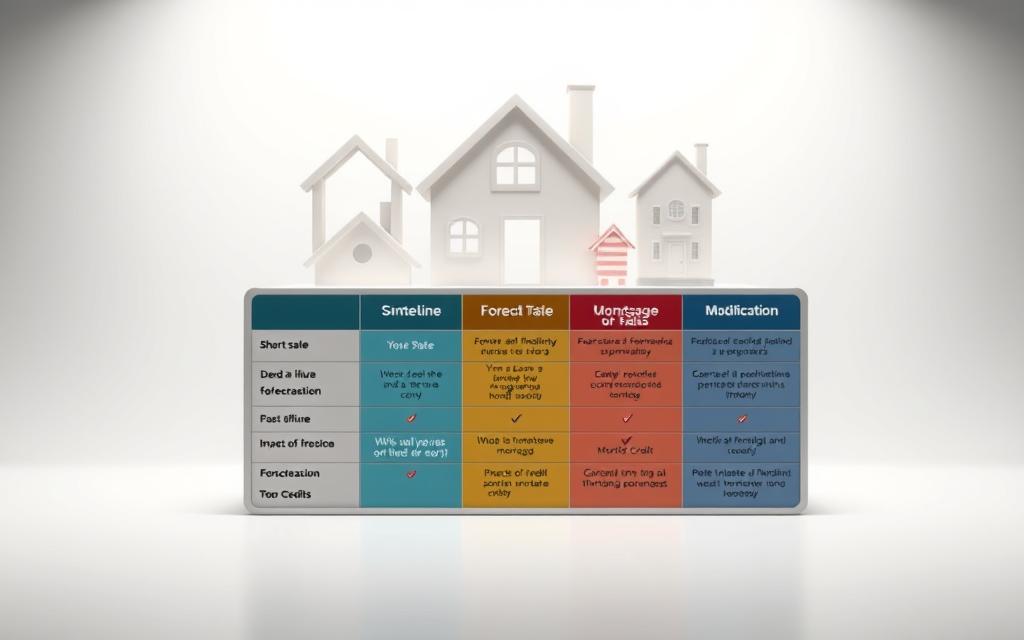
When looking at cash for keys vs other options, homeowners should think hard. They need to protect their money future.
Primary Foreclosure Resolution Options
- Loan Modification: Making mortgage payments easier
- Short Sale: Selling for less than the mortgage balance
- Deed in Lieu of Foreclosure: Giving the lender the property
- Bankruptcy: Legal protection from foreclosure
Comparing Resolution Strategies
Each option has its own good points and bad points. Loan modifications can help a lot by changing interest rates or payment times. Short sales might hurt your credit less than a full foreclosure.
| Option | Credit Impact | Financial Recovery Speed |
|---|---|---|
| Cash for Keys | Moderate | Quick |
| Loan Modification | Low | Gradual |
| Short Sale | Significant | Moderate |
Talking to a financial advisor or housing counselor is smart. They can help homeowners pick the best option for them.
Common Misconceptions About Cash for Keys
Going through foreclosure is tough. Cash for keys deals often have many wrong ideas. Homeowners find it hard to know what’s real and what’s not.
To clear up, we need to talk about what cash for keys really is. There are many wrong ideas that confuse people when they’re in a tough spot.
Debunking Foreclosure Misconceptions
There are many wrong ideas about cash for keys. Let’s look at some of the most common ones:
- Myth: Cash for keys is always illegal
Reality: These deals are legal and help lenders take back properties quickly.
- Myth: Homeowners always lose in cash for keys negotiations
Reality: If done right, it can help homeowners financially and make the move easier.
- Myth: Only desperate homeowners accept cash for keys
Reality: Some homeowners choose this as a smart way out, not just because they have to.
Understanding the Reality
Cash for keys deals are a smart way to solve foreclosure problems. They help lenders get back properties and give homeowners a chance to get some money.
Homeowners should think about their situation, talk to lawyers, and know that these deals can be a good choice in foreclosure.
The Role of Realtors in Cash for Keys
Realtors are key in helping with foreclosure moves. They guide homeowners through cash for keys deals. This helps a lot when money is tight.
Realtors have many important jobs in cash for keys. They help make the move smoother.
Professional Mediation Services
Real estate pros are great at cash for keys talks. They do many things to help.
- They help talk between lenders and homeowners.
- They explain hard legal and money terms.
- They share important market info.
- They watch out for homeowners’ best interests.
Best Practices for Real Estate Professionals
Good realtors are very strategic and professional. They know each foreclosure is different. They need to be kind and smart.
- They do full property checks.
- They look up the local real estate market.
- They plan how to talk clearly.
- They keep all important papers.
Great realtors make the cash for keys process easier. They help homeowners deal with tough money times. They plan carefully and with kindness.
Financial Impact and Tax Implications
Cash for keys deals have big money and tax issues for homeowners in foreclosure. Knowing the tax side is key to avoid big money surprises.
When you get cash for keys, you must see it as income. The IRS sees it as income that needs to be reported.
Potential Tax Consequences
The tax side of cash for keys can be tricky. It might be seen as:
- Taxable income on federal tax returns
- Potential capital gains consideration
- Reportable amount on Form 1099
How to Report Cash Payments
Reporting cash for keys payments needs careful steps. Homeowners should:
- Get a 1099 form from the lender
- Ask a tax expert for help
- Put the income on your tax returns
The money from foreclosure isn’t just the cash. Right tax reporting stops audit worries and follows IRS rules.
Talking to a tax pro can help with your cash for keys deal. They can help lower your tax bill.
Real-Life Examples of Cash for Keys Agreements
Cash for keys agreements help homeowners in tough spots and lenders who want to move quickly. These examples show how these deals can work well for everyone.

Learning from cash for keys examples can help a lot. Each story teaches us about talking and solving problems.
Successful Urban Property Settlement
In San Francisco, a homeowner got $7,500 to leave a house in 30 days. The lender saved a lot of money by not going to court. This deal was good for both sides because:
- It was quick
- The house was left in good shape
- They worked together well
Suburban Foreclosure Resolution
In suburban Chicago, a homeowner got a deal that was a bit more complicated. They got:
- $5,000 cash
- More time to move out, 30 days
- Help with moving costs
Comparative Settlement Analysis
| Location | Cash Offer | Move-Out Timeline | Additional Benefits |
|---|---|---|---|
| San Francisco | $7,500 | 30 days | Quick resolution |
| Chicago Suburbs | $5,000 | 45 days | Moving expense support |
These deals show how important it is to talk things through and understand each other’s needs.
Key Takeaways
Real-life examples teach us that:
- Talking is key
- Being flexible helps everyone
- Every deal can be made special
Good talking and clear plans are key to happy cash for keys deals.
Conclusion: Is Cash for Keys Right for You?
Looking at foreclosure options can be tough. You need to think about money and your personal life. It’s important to look at all your choices carefully.
Choosing cash for keys isn’t for everyone. Your money situation, the housing market, and your future plans matter a lot. Getting advice from experts can help a lot.
Every foreclosure case is different. Cash for keys might help you financially and make leaving easier. But, you must know what it means for you.
Think carefully about the money you’ll get, your next home, and taxes. This will help you decide if cash for keys is right for you.
Knowing what you want and need is key. Look at all the papers, know your rights, and ask for advice. This will help you make a smart choice during a hard time.