
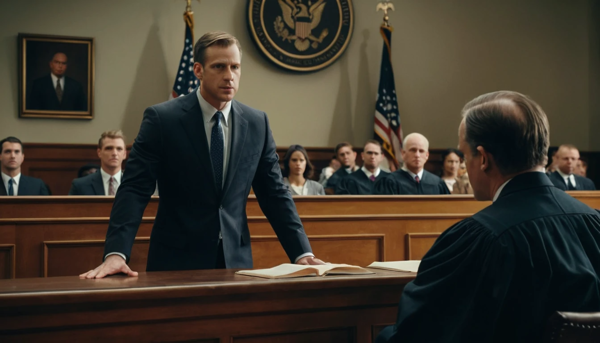
Understanding criminal defense representation in New York sexual assault cases requires experience, strategy, and strong legal support to protect your future.
Sexual assault allegations represent some of the most serious charges in the criminal justice system, carrying severe legal consequences and lasting social implications. In New York, individuals facing such accusations require experienced legal representation to navigate the complex legal landscape. Understanding how a city rape defense attorney in New York approaches these cases can provide valuable insight into the criminal defense process and the fundamental legal principles that protect every defendant’s rights.
The Legal Framework of Sexual Assault Cases in New York
New York State classifies sexual offenses under various degrees of rape, criminal sexual act, and sexual abuse charges. These classifications depend on factors such as the age of the parties involved, the use of force or threat, and the circumstances surrounding the alleged incident. First-degree rape, for example, is considered a Class B felony and can result in up to 25 years in prison.
The prosecution must prove guilt beyond a reasonable doubt, which represents the highest standard of evidence in the legal system. This burden means that the state must present evidence so convincing that a reasonable person would not hesitate to rely on it when making important decisions. Defense attorneys work within this framework to ensure that this standard is properly applied and that their clients receive fair treatment under the law.
Essential Elements of Criminal Defense Strategy
Case Investigation and Evidence Analysis
A thorough investigation forms the foundation of any effective defense strategy. Defense attorneys examine all available evidence, including police reports, witness statements, physical evidence, and digital communications. This process often reveals inconsistencies, procedural errors, or alternative explanations that may support the defense case.
Modern sexual assault cases frequently involve digital evidence such as text messages, social media communications, and cell phone data. Analyzing this information requires technical expertise and understanding of how digital evidence can be both helpful and misleading. Defense attorneys must carefully evaluate whether such evidence supports or contradicts the prosecution’s narrative.
Constitutional Rights Protection
The United States Constitution guarantees several fundamental rights to individuals accused of crimes. The Fourth Amendment protects against unreasonable searches and seizures, while the Fifth Amendment ensures the right against self-incrimination and guarantees due process. The Sixth Amendment provides the right to legal counsel and a fair trial.
Defense attorneys serve as guardians of these constitutional protections, ensuring that law enforcement agencies follow proper procedures during investigations and that prosecutors respect the defendant’s rights throughout the legal process. When violations occur, defense counsel may file motions to suppress evidence or dismiss charges entirely.
Common Defense Strategies and Legal Considerations
Consent and Credibility Issues
In many sexual assault cases, the central issue revolves around consent. New York law defines consent as clear, unambiguous, and voluntary agreement to engage in specific sexual activity. The absence of consent must be proven by the prosecution, and defense attorneys may present evidence showing that consent was given or that the alleged victim’s account lacks credibility.
Credibility assessments involve examining the consistency of statements over time, the presence of corroborating evidence, and potential motivations for false accusations. This analysis requires sensitivity and careful attention to legal standards while ensuring that the defendant’s right to present a defense remains intact.
Challenging Evidence and Procedures
Defense attorneys regularly challenge the admissibility and reliability of evidence presented by the prosecution. This may include questioning the chain of custody for physical evidence, challenging the reliability of witness identifications, or exposing flaws in investigative procedures.
Expert witnesses often play crucial roles in these cases, providing testimony about DNA evidence, psychological factors affecting memory and perception, or digital forensics. Defense teams may retain their own experts to counter prosecution claims or to present alternative interpretations of the evidence.
The Role of Plea Negotiations
Not all criminal cases proceed to trial. Plea negotiations represent an important aspect of the criminal justice system, allowing defendants to resolve cases without the uncertainty and expense of trial proceedings. However, sexual assault charges carry significant stigma and long-term consequences, making plea decisions particularly complex.
Defense attorneys must carefully evaluate the strength of the prosecution’s case, the potential penalties at trial, and the long-term implications of accepting a plea agreement. This analysis includes considering sex offender registration requirements, employment consequences, and other collateral effects that extend beyond incarceration.
Protecting Rights During Investigation
The period immediately following an accusation presents critical opportunities and risks for defendants. Police interviews, lineups, and other investigative procedures can significantly impact the outcome of a case. Understanding when to exercise the right to remain silent and when to request legal counsel can prevent self-incrimination and protect important defense options.
Defense attorneys advise clients about their rights during this crucial period and may intervene early in investigations to ensure proper procedures are followed. This early involvement can prevent procedural violations and preserve evidence that might support the defense case.
Key Insights for Understanding Sexual Assault Defense
The criminal defense process in sexual assault cases requires balancing multiple competing interests: protecting the rights of the accused, respecting the experiences of alleged victims, and maintaining public confidence in the justice system. Effective defense representation ensures that constitutional protections remain meaningful and that every defendant receives fair treatment regardless of the nature of the charges.
Understanding these legal principles helps illuminate why experienced criminal defense representation remains essential in serious felony cases. The complexity of sexual assault law, combined with the severe consequences of conviction, requires attorneys who understand both the legal framework and the practical challenges of defending against these allegations. Through careful investigation, strategic legal advocacy, and protection of constitutional rights, the criminal defense process serves as a crucial safeguard in maintaining the integrity of our legal system.

FAQs: Criminal Defense Representation in New York
1. What happens in a New York sexual assault case?
Sexual assault cases in New York follow strict rules. Charges depend on consent, age, and force. A defense lawyer protects your rights.
2. How can a lawyer defend against rape charges?
Lawyers look at all evidence, like texts and reports. They question witnesses’ credibility and legal procedures. They might show consent or case errors.
3. What rights do I have if accused of assault?
You have the right to stay silent and get a lawyer. The law also protects you from unfair searches and trials. A defense attorney fights for these rights.
4. Can digital evidence help in my defense?
Yes, texts and social media can help. A good lawyer checks digital data for support. It can show context that challenges the accusation.
5. Should I take a plea deal for sex charges?
It depends on the case’s strength and consequences. Plea deals might skip trial but have big effects, like registration. A lawyer helps you understand risks and outcomes.